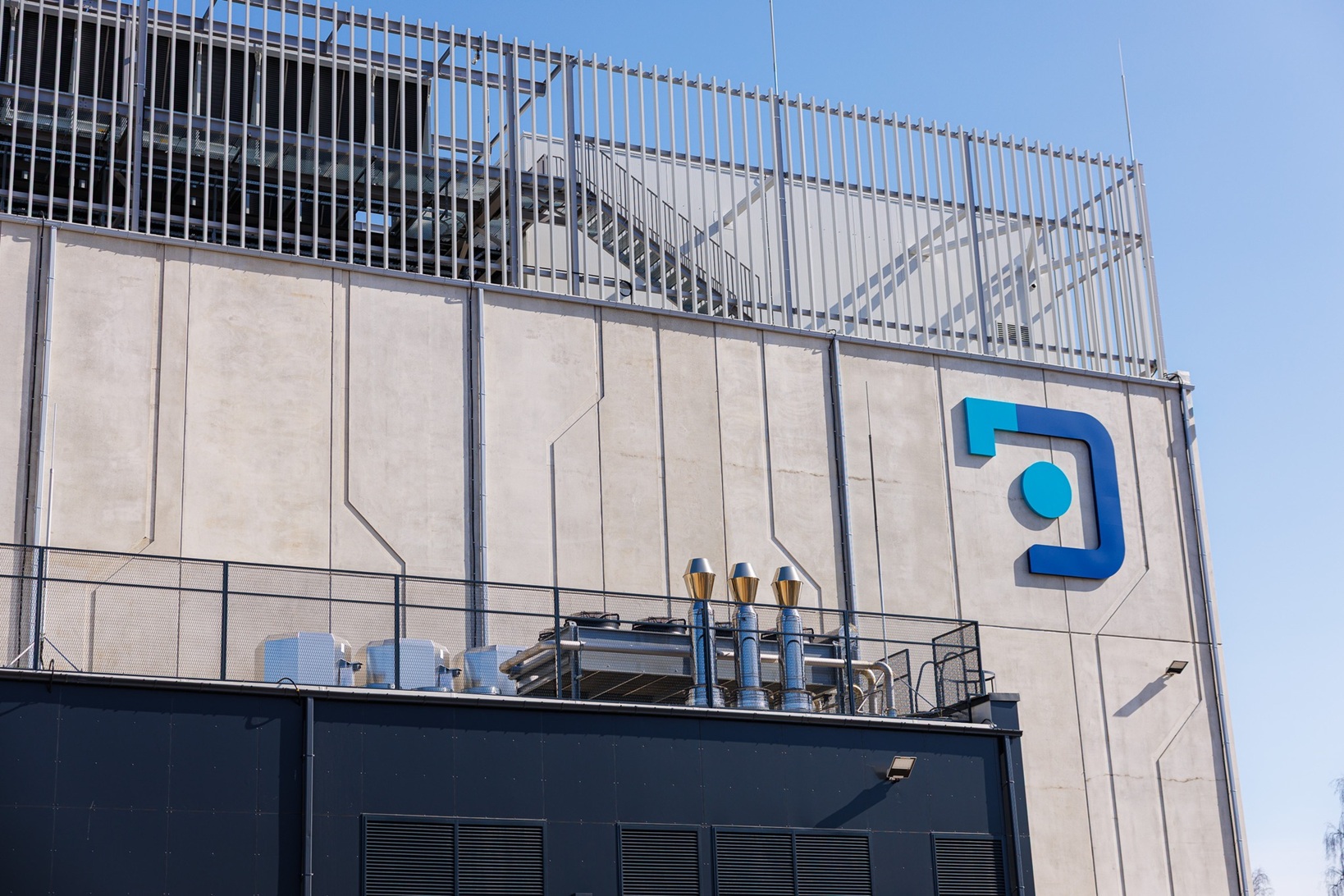
Delska, one of the leading data centre operators in the Baltics, officially opened EU North Riga LV DC1—one of the most advanced and sustainable data centres in the region. The project, valued at more than €30 million, is a 10 MW facility designed and built for artificial intelligence (AI) and high-performance computing. It has already received the Latvian Construction of the Year Award (1st place in the “Industrial Building” category).
The event took place in two parts and brought together around 400 guests, including government officials, foreign ambassadors, business leaders, and industry experts. The official ceremony was attended by senior state officials, including Daiga Mieriņa, Evika Siliņa, and Raimonds Čudars, who highlighted the role of the new data centre in developing a more secure, powerful, and sustainable IT infrastructure in Latvia and the region. Representatives from the embassies of the United States, the United Arab Emirates, the Czech Republic, Georgia, Israel, Lithuania, the Netherlands, and Hungary also attended.
In her remarks, Daiga Mieriņa noted that the opening marked a new stage in Latvia’s IT sector, demonstrating the country’s ability to adapt to market changes and sustainability requirements. She emphasized its importance for strengthening the digital economy, fostering high-value infrastructure, and enhancing international competitiveness.
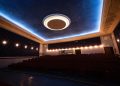
During the ceremony, Delska Chairman Andris Gailītis, together with Daiga Mieriņa and Evika Siliņa, officially launched the new data centre and symbolically activated an AI representation.
Prime Minister Evika Siliņa stated that the opening sent a strong signal about Latvia’s economic maturity and its ability to attract secure, high-value investments. She emphasized that digital infrastructure is a cornerstone of both economic resilience and national security, and highlighted the project as an example of combining technological development with sustainability.
In the second part of the event, Delska’s management presented the project’s vision and technological solutions, followed by presentations from international industry experts from Dell Technologies, 11Stream, and Veeam. They addressed key topics such as data centres as critical national infrastructure, artificial intelligence, sovereign computing, and data migration.
Raimonds Čudars stated that the data centre demonstrates Latvia’s ambition and contributes to strengthening both national and European digital sovereignty and competitiveness, while expanding cloud computing options for both public and private sectors.
Event participants were also given guided tours of the facility, exploring its technological infrastructure, including pump stations, diesel generators, and advanced cooling solutions such as air cooling systems and the upcoming implementation of liquid cooling technology.
The event attracted significant interest from both existing and potential clients in Latvia and abroad, with infrastructure for the first clients already being installed.
Artjoms Uršuļskis emphasized that Latvia is not only keeping pace with Europe’s technological transformation but actively shaping it, positioning itself as a reliable partner in the global digital economy through a combination of sustainability, innovation, and international cooperation.
The data centre was developed in response to the rapid growth of AI and the shortage of data centre capacity in major European cities, encouraging companies to explore new regions with available capacity. Delska highlighted that this project is just the beginning of broader data centre development in the region, strengthening the Baltics’ position as a competitive and sustainable digital infrastructure hub in Northern Europe.
The new 10 MW facility covers 7,100 m² and was built using a modular design, allowing future expansion up to 30 MW. It supports up to 250 kW per rack, meets Tier III Design certification standards, and is expected to receive Tier III Facility certification soon, ensuring 99.982% availability.
The data centre is fully environmentally friendly, powered by renewable energy from Northern European wind, solar, and hydro sources. Backup generators run on Neste MY renewable diesel. With advanced technologies including air and liquid cooling, high electrical capacity, and flexible scalability, the facility is designed to meet the demands of AI and high-performance computing while targeting a PUE below 1.3.