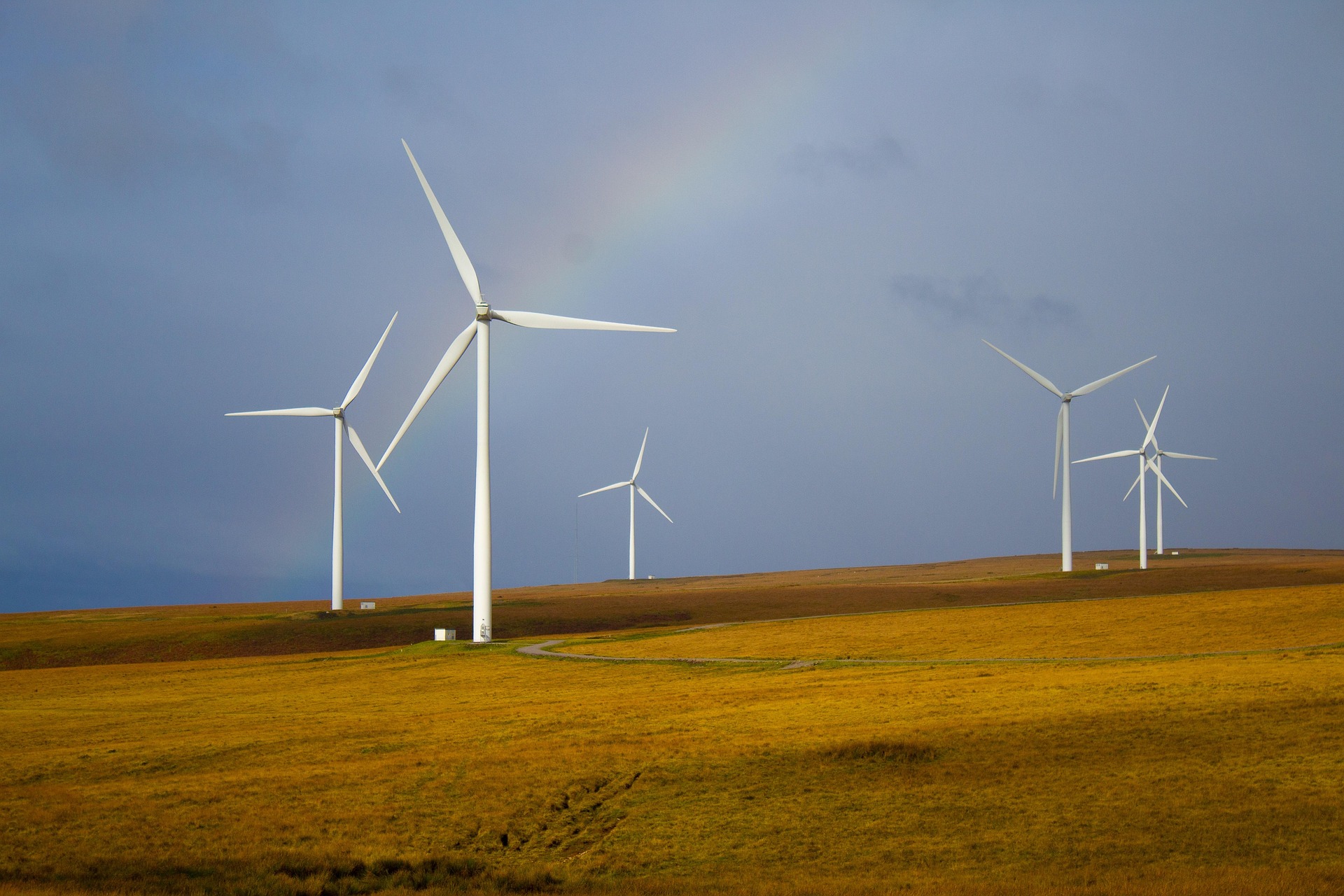
Latvian business organisations – the Latvian Chamber of Commerce and Industry (LTRK) and the Latvian Employers’ Confederation (LDDK) – have prepared a letter to the Prime Minister and sectoral ministers, drawing attention to the need to work more actively with the “not in my backyard” mindset in society. The resistance to wind energy development observed in the public space could lead to unpleasant consequences for the country’s economy, entrepreneurs, and residents.
LTRK and LDDK have repeatedly reminded policymakers that the main goal of energy policy is to create the conditions necessary to strengthen the international competitiveness of Latvian businesses and improve societal well-being. Policy must ensure a clear and fair business environment, minimise bureaucratic obstacles, and promote competition and growth. This applies equally to the development of wind energy and its benefits for businesses. The availability of wind energy will directly impact the growth of the industrial, transport, and aviation sectors, as well as investors’ strategic decisions to develop production in Latvia. Moreover, if local energy resources are not used, Latvia will be forced to rely on more expensive and unstable electricity imports.
“For the economy to grow in Latvia, we need energy-intensive production – both traditional industries and modern sectors such as data and artificial intelligence centres. The more energy we can produce from local resources instead of paying other countries for fossil fuels, the cheaper it will be for us, creating opportunities for industry and manufacturing. In this context, it is important to clearly define the conditions for wind energy development and show society that it is nothing negative – this sector has been successfully developed all over the world. Clear rules and a long-term vision will help both entrepreneurs and the public understand how and to what extent it will develop,” emphasised LDDK President Andris Bite.
LTRK and LDDK value the Ministry of Climate and Energy’s ongoing discussions with municipalities and residents. However, increased public resistance to building wind farms is still evident. This delays green energy projects that are crucial for the country’s economic growth and energy independence. Delaying these projects may have negative consequences – reduced investment volumes and tax revenues, which may compromise the state’s ability to provide quality public services and improve residents’ well-being.
Both Lithuania and Estonia, like Latvia, have strict environmental requirements for wind farm construction, yet project development is progressing more swiftly. It should also be noted that Latvian energy companies are choosing to develop renewable energy projects in other countries.
LTRK Board Chairman Jānis Endziņš notes: “For Latvian companies to grow faster and attract new investors, especially in manufacturing, it is critically important to ensure the lowest possible and regionally competitive electricity prices. Without a sufficient number of wind farms in the region, this will not be achievable. Entrepreneurs are concerned that, in the pre-election atmosphere, the government might back away from the target set in the National Energy and Climate Plan to reach 1.5 GW of wind generation capacity by 2030.”
Latvia’s major business organisations call on decision-makers and policymakers to avoid delayed or fragmented policymaking in the energy sector, which unnecessarily reinforces various public assumptions – often based on false or misleading information – about renewable energy technologies. They urge more active communication with the public about the impact and benefits that wind farm development can bring to Latvia. The large scale of investment is an opportunity to ensure quality education for children, accessible healthcare for parents, and safe, affordable electricity for everyone in the future. Given Latvia’s economic situation, the country cannot afford to reject such significant investments, which in the long term can substantially enhance the international competitiveness of Latvian businesses. Accordingly, employer organisations will continue to publicly support wind energy development, highlighting the positive impacts of renewable energy expansion and wind farm construction.
Source: lddk.lv (translated using an artificial intelligence tool)